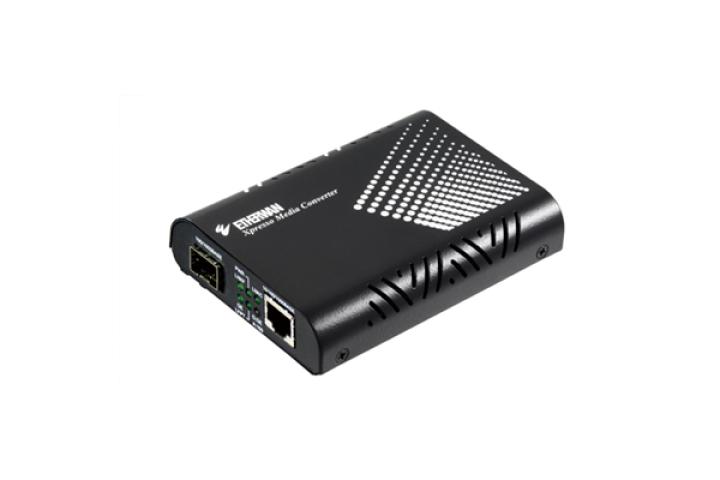


Reliable Fiber to Copper Media Converters
Media converters seamlessly connect fiber optic and copper Ethernet networks, supporting single-mode, multi-mode, and WDM fiber types with 10/100/1000 Mbps copper ports. Ideal for long-distance data transmission, they enable stable and high-speed LAN extension or bridging.
To meet today’s networking demands, many models now support PoE for combined power and data delivery—ideal for IP cameras and wireless devices. Pluggable SFP slots allow flexible fiber deployment. Industrial-grade units are tested for extreme temperatures (-40°C to 85°C) and offer robust protection against vibration, ESD, surge, and EMI.
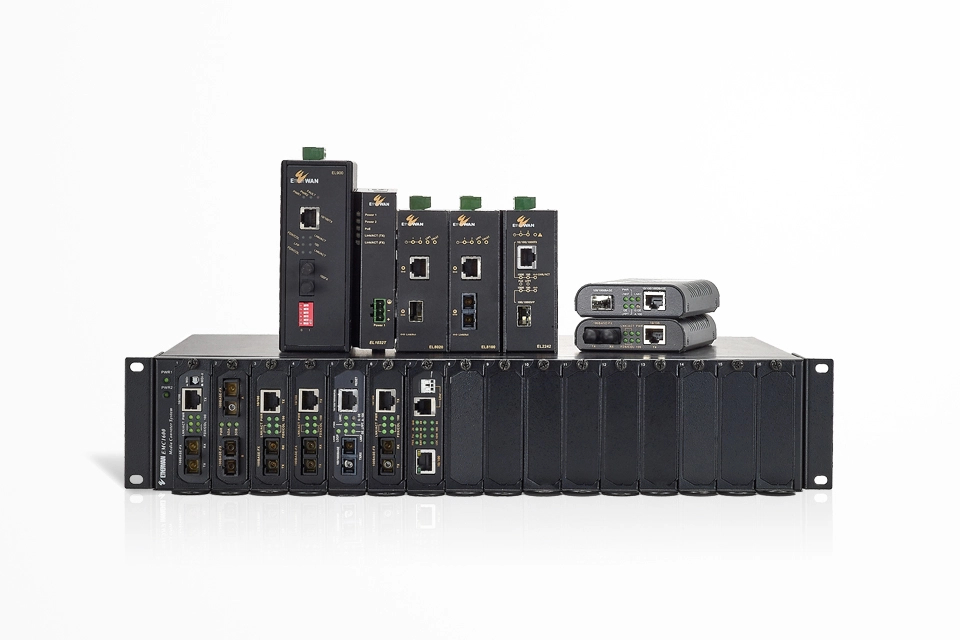
Quick Guide to Media Converter Types
Media converters are essential devices that enable seamless conversion between electrical Ethernet signals and optical fiber, extending network reach and enhancing connectivity. This quick guide covers various types of media converters—including single-mode, multi-mode, WDM, PoE (Power over Ethernet), and Gigabit models—and offers tips to help you select the right converter for applications such as industrial automation, surveillance, and enterprise networks. Understanding these media converter types ensures reliable performance, efficient power delivery, and optimal network operation.
Power Up Your Network with PoE Media Converters
Designed for reliability and efficiency, these PoE Media Converters seamlessly convert fiber optic signals to Ethernet while delivering stable Power over Ethernet (PoE) to your network devices.
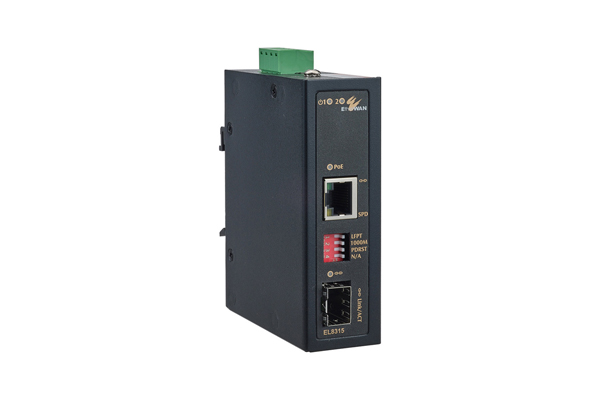
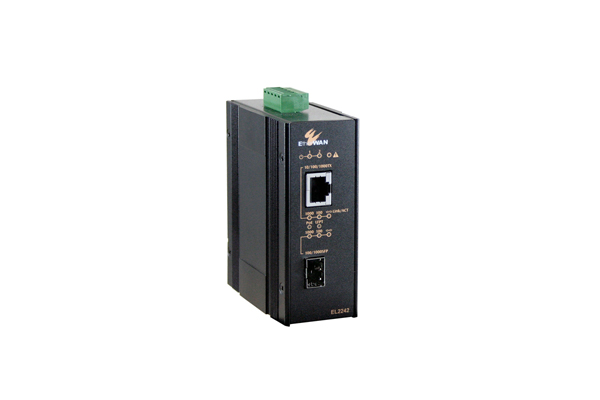
Featuring models like EL8315 (90W PoE), EL2242 (30W PoE), and EL1032T(30W PoE), they provide flexible, high-performance solutions for surveillance systems, industrial automation, and smart building networks. With easy installation and long-distance connectivity, they ensure smooth and scalable network expansion.
High-Speed Gigabit Media Converters
EtherWAN’s Gigabit Media Converters are designed to meet modern network demands, offering high-speed, stable data transmission between fiber and copper Ethernet. Many models now feature pluggable SFP slots, allowing users to flexibly choose the right transceiver for various distances and fiber types.
Our Gigabit lineup includes the EL8020 Series, EL8100 Series, EL2315 Series, and EL2211 Series, offering flexible solutions for enterprise networks, surveillance systems, and industrial environments.
Compact 10/100 Mbps Media Conversion
Media converters enable seamless fiber-to-Ethernet communication with pluggable SFP modules supporting flexible, long-distance, and stable 10/100 Mbps connections. Many models also offer Power over Ethernet (PoE) for simultaneous data and power delivery—ideal for IP cameras and wireless devices. Key benefits include easy installation, scalability, and broad network compatibility for reliable LAN extension.
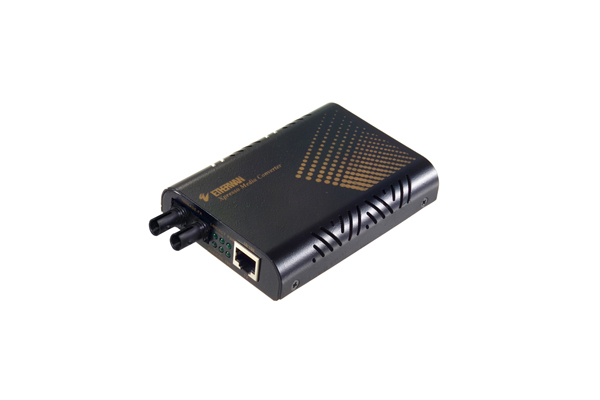
Modular Media Converter Chassis
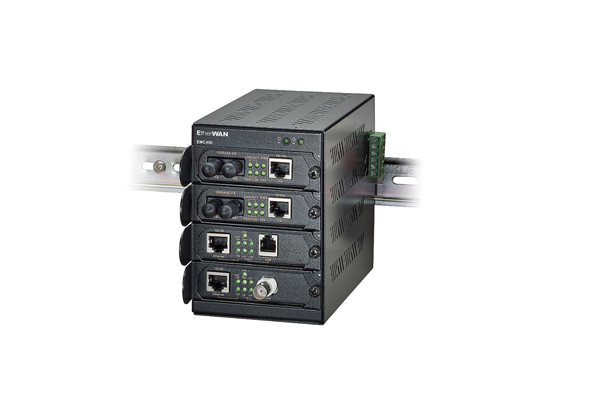
EtherWAN’s Media Converter Chassis offer compact, scalable solutions with 4-port and 16-port options to house multiple hot-swappable media converter modules. Designed for easy maintenance and flexible fiber-to-Ethernet connectivity, ideal for enterprise networks, data centers, and industrial applications.
Frequently asked questions on Media Converters
What is a media converter used for?
Media converters serve as a bridge between fiber optic and copper media (cables and ports). Options include single mode, multi-mode, and WDM (Wavelength-division multiplexing) fiber optic and 10/100/1000 Mbps copper media, allowing for stable and high-speed connection of geographically distant LANs. Because fiber media is best for long-distance transmission, media converters often come into use when connecting remote locations.
Watch Videos: Why take the risk? Insure with EtherWAN's high reliability media converters
What is an industrial media converter?
Industrial media converters are tougher and have better long-term reliability than commercial media converters. They can operate in more extreme temperature ranges and in harsher conditions. But their function is essentially the same – connecting copper cables to fiber and vice-versa.
* See this article : Why Use an Industrial Media Converter ?
How does a fiber media converter work?
A fiber media converter enables signal conversion between fiber optic cables and copper Ethernet cables. When data is transmitted via fiber optic cable to the converter, the device converts the incoming optical signal into an electrical signal, which is then delivered through an RJ45 copper port to the next network device—or vice versa.
This technology allows networks to extend over longer distances and bridges the gap between legacy copper-based systems and modern fiber infrastructure, enhancing overall network flexibility and scalability.
Can a media converter convert fiber to Ethernet?
Yes. Fiber to Ethernet media converters transform incoming signals from fiber connections to UTP / RJ-45 supported signal types. Conversion options include single multimode fiber, as well as dual and single fiber.
What is PoE media converter?
A PoE media converter is a networking device that combines fiber-to-Ethernet signal conversion with Power over Ethernet (PoE) functionality. It allows fiber optic signals to be converted into electrical Ethernet signals while delivering power over the RJ45 port to connected PoE-enabled devices. This simplifies installation by eliminating the need for separate power cables.
PoE fiber media converters are ideal for long-distance fiber transmission and remote device deployments, such as IP surveillance cameras, wireless access points, and industrial IoT sensors.
Standard models typically provide 15 to 30 watts of power. Advanced models supporting IEEE 802.3bt can deliver up to 60W or 90W, making them suitable for high-power applications like PTZ cameras and high-performance wireless APs.
More products you might be interested in
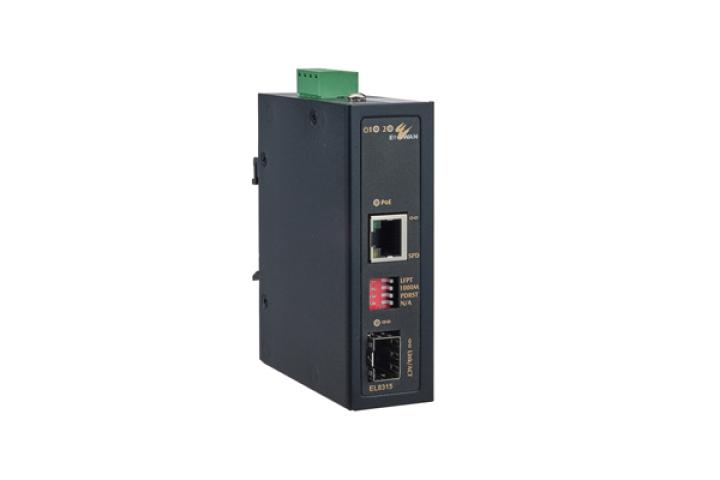
EL8315 (90W)
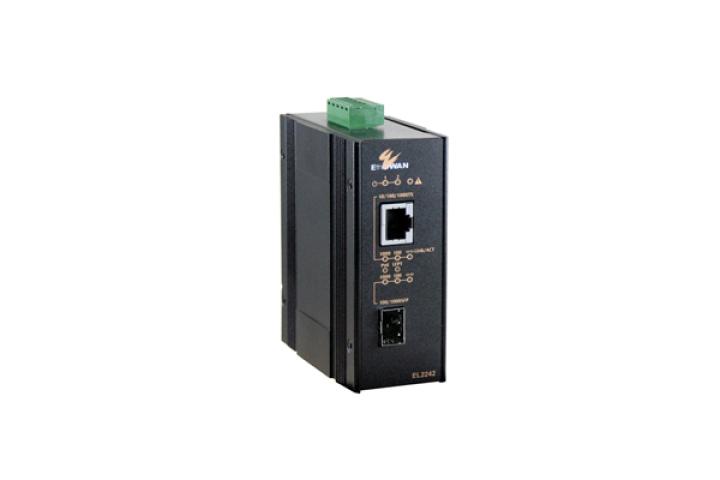
EL2242 (30W)
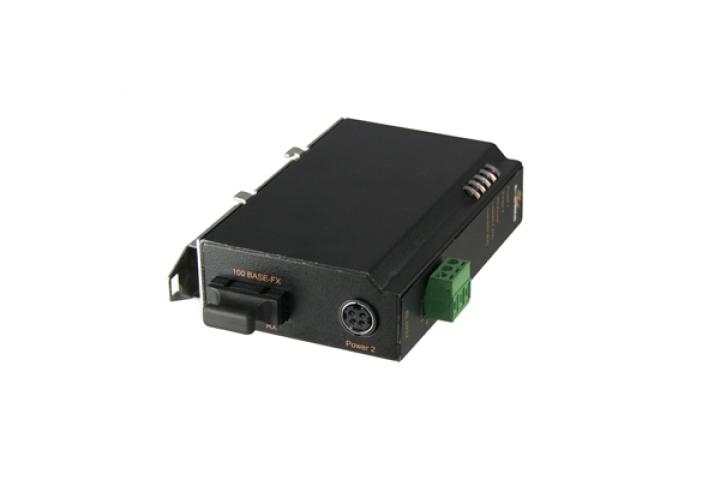
EL1032T Series
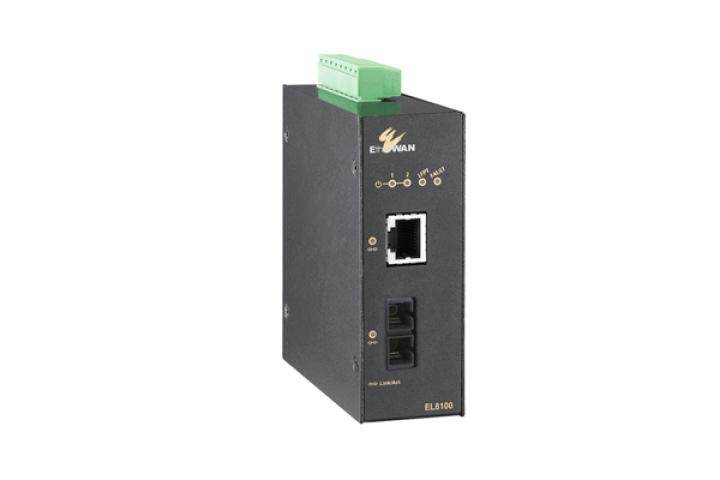
EL8100 Series
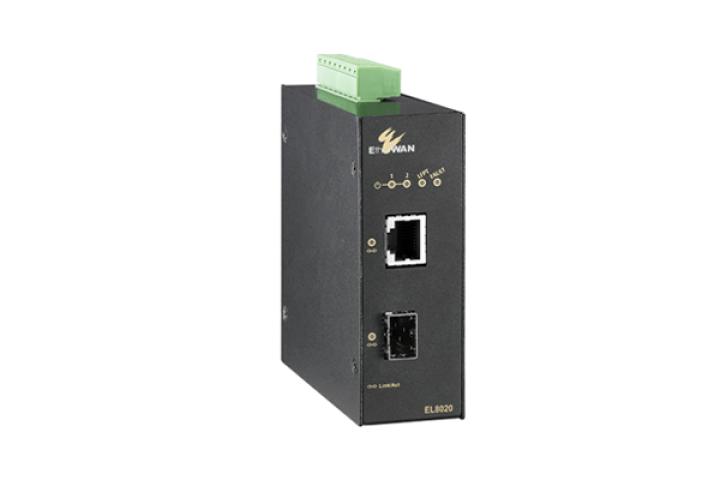
EL8020 Series
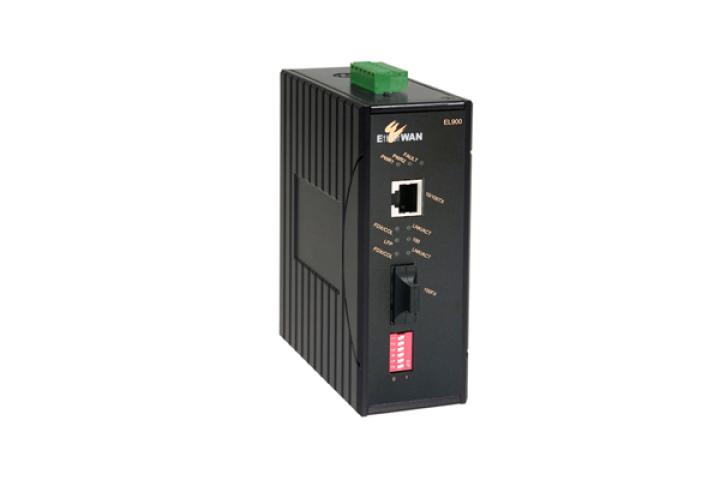
EL900 Series
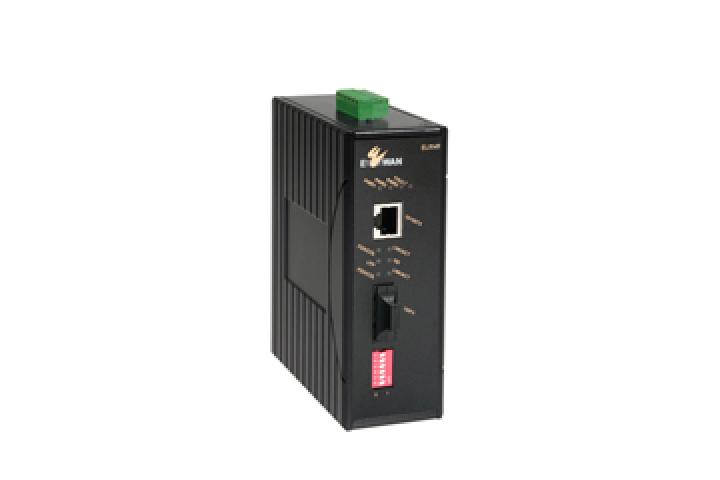
EL1141 Series
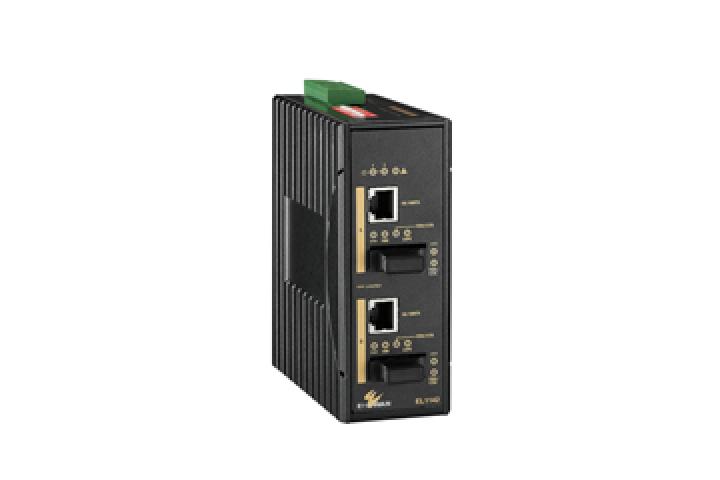
EL1142 Series